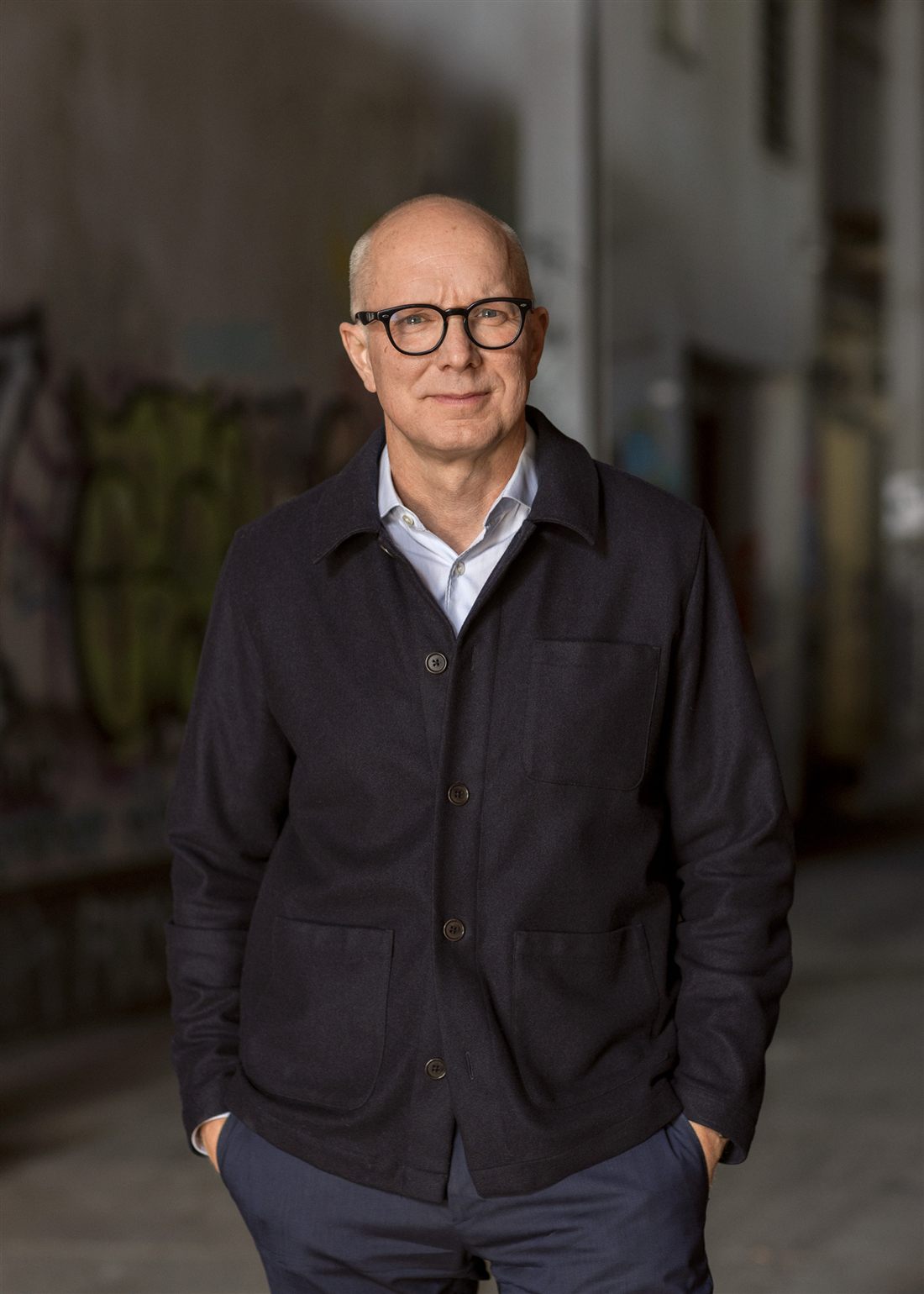
Håkan Sundström
Twenty years of P&L ownership across Asia-Pacific and Europe. Now doing the same thing for other people's companies.

I have spent more than twenty years building and running businesses across Asia-Pacific and Europe, including Hong Kong, Tokyo, Singapore, Mumbai, Beijing and London.

My career has never really followed one functional line. I have run regional businesses, commercial teams, global operations, product and content organisations and HR. The common thread has been taking responsibility for whatever the business needed next.

I opened Dealogic's first India office and later took the Asia-Pacific business from $7.5 million to over $33 million in five years. At Guidepoint, I opened two new markets, operated across seven countries, and grew the Asia-Pacific business to more than 300%, with headcount up by a fifth.

I have also moved businesses. Over 300 global roles moved to Budapest during Carlyle's ownership of Dealogic, and more recently, a business moved from Frankfurt to Athens that came out more productive than it went in. Most companies treat a move like that as a cost exercise. What actually moves is the knowledge, and most of it sits with the people who are not going.

I have worked through two changes of ownership at the same company, Carlyle's acquisition of Dealogic and later ION's, on operational-level diligence and post-deal integration both times. Sitting on the operator's side of a transaction teaches you which parts of an investment case survive contact with the business.

I have opened markets, built teams, restructured businesses, worked through acquisitions and integrations, and spent considerable time working out why organisations that should be performing better are not.

Some of it went well. Some of it taught me what I now watch for.

The Coaching

The founder, CEO or Executive team can usually describe where the business needs to be. What is harder to see from inside the organisation is which part of it is quietly preventing that from happening.

Sometimes the company needs to build something it does not yet have. Sometimes it has grown beyond the structure that got it this far. Sometimes performance has stalled, and nobody is quite sure why.

That is the work I tend to be brought into.

The coaching came out of the operating work rather than replacing it.

After twenty years of running large teams, I found that the constraint was rarely raw capability. More often, capable people under pressure started making narrower decisions than they were capable of, avoiding conversations they knew they needed to have, or carrying too much of the organisation's work themselves.

Understanding the business matters. Understanding the person running it matters as well. That is why I continue to do both.

The Pattern